

Sikkim
1 TourSikkim, nestled in the eastern Himalayas, is a mesmerizing blend of natural beauty, cultural richness, and serene spirituality. As one of India’s most picturesque states, Sikkim offers travelers an unforgettable experience with its snow-capped peaks, lush valleys, ancient monasteries, and vibrant festivals. Whether you’re an adventure enthusiast, a nature lover, or a seeker of tranquility, Sikkim has something to offer everyone. 1. Stunning Natural Beauty Sikkim is renowned for its breathtaking landscapes, dominated by the towering peaks of the Himalayas. The state is home to Mount Kanchenjunga, the third-highest peak in the world, which is considered sacred by the locals. The views of Kanchenjunga from various parts of Sikkim are awe-inspiring, especially at sunrise when the mountain glows with a golden hue. Yumthang Valley, also known as the “Valley of Flowers,” is a must-visit destination for nature lovers. Located in North Sikkim, this stunning valley is blanketed with a variety of flowers during the spring and summer months, offering a colorful and fragrant spectacle. The nearby Lachung village serves as a base for exploring the valley and experiencing the local culture. Tsongmo Lake (also called Changu Lake), located at an altitude of 3,753 meters, is another natural wonder of Sikkim. The lake, surrounded by snow-capped mountains, is known for its crystal-clear waters that reflect the surrounding landscape. Tsongmo Lake is a popular spot for both tourists and locals, and it’s particularly enchanting during the winter when the lake freezes over. 2. Spiritual and Cultural Heritage Sikkim is a land of spirituality, with a rich Buddhist heritage that is reflected in its many monasteries, stupas, and prayer flags fluttering in the mountain breeze. The Rumtek Monastery, located near Gangtok, is one of the most significant monasteries in Sikkim and a major center for Tibetan Buddhism. The monastery, with its traditional architecture and peaceful surroundings, is a place of meditation and spiritual reflection. The Pemayangtse Monastery, one of the oldest in Sikkim, offers a glimpse into the state’s religious traditions. Located near Pelling, this monastery is known for its beautiful murals, ancient relics, and the intricate wooden structure known as the Sangtok-Palri, which depicts the heavenly abode of Guru Padmasambhava. Tashiding Monastery, perched on a hilltop, is another important spiritual site. It is considered one of the holiest monasteries in Sikkim and offers panoramic views of the surrounding valleys and mountains. The annual Bumchu Festival held here attracts pilgrims from across the region. Sikkim’s vibrant culture is also reflected in its festivals. The Losar (Tibetan New Year) and Saga Dawa (celebrating the birth, enlightenment, and death of Buddha) are among the most important festivals, featuring colorful processions, traditional dances, and rituals that offer a deep insight into the local way of life. 3. Adventure and Outdoor Activities Sikkim is a paradise for adventure seekers, offering a wide range of outdoor activities. Trekking is one of the most popular activities, with routes that take you through some of the most scenic landscapes in the Himalayas. The Goecha La Trek is one of the most famous treks in Sikkim, offering stunning views of Kanchenjunga and other high peaks. The trek passes through dense forests, alpine meadows, and remote villages, providing a truly immersive experience in nature. For those who enjoy high-altitude adventure, Dzongri Trek offers a shorter but equally rewarding trekking experience, with spectacular views of the Kanchenjunga range. Green Lake Trek is another challenging trek that takes you to the base of the magnificent Kanchenjunga, passing through pristine forests and glacial rivers. Sikkim is also a great destination for river rafting. The Teesta River and its tributary, the Rangeet River, offer thrilling white-water rafting experiences, with rapids ranging from easy to challenging. The rivers flow through deep gorges and verdant valleys, providing a mix of excitement and scenic beauty. Paragliding in Gangtok is another popular activity, allowing you to soar above the hills and valleys and take in the breathtaking views of the surrounding landscapes. Mountain biking and rock climbing are also gaining popularity in Sikkim, offering adventure enthusiasts a chance to explore the state’s rugged terrain. 4. Rich Flora and Fauna Sikkim is a biodiversity hotspot, home to a wide variety of flora and fauna. The state is covered with lush forests, alpine meadows, and rhododendron groves, making it a paradise for nature lovers and botanists. The Khangchendzonga National Park, a UNESCO World Heritage Site, is one of the most important protected areas in Sikkim. The park is home to rare species such as the red panda, snow leopard, Himalayan black bear, and a wide variety of birds, including the blood pheasant and Himalayan monal. The Barsey Rhododendron Sanctuary in West Sikkim is another must-visit for nature enthusiasts. The sanctuary is famous for its stunning rhododendron forests, which burst into a riot of colors during the spring months. The sanctuary also offers beautiful trekking trails, providing an opportunity to experience the region’s natural beauty up close. 5. Charming Hill Towns Sikkim is dotted with charming hill towns and villages that offer a peaceful retreat from the hustle and bustle of city life. Gangtok, the capital city, is a vibrant town that perfectly blends modernity with tradition. The town offers stunning views of the Himalayas, and its many attractions, such as the MG Marg, Namgyal Institute of Tibetology, and Tashi Viewpoint, make it a great base for exploring the state. Pelling, located in West Sikkim, is another popular hill town, known for its close-up views of Kanchenjunga. Pelling is also home to several important monasteries, such as the Pemayangtse Monastery and the Sangachoeling Monastery. The town is a gateway to many trekking routes and is surrounded by lush forests, waterfalls, and historical sites. Lachung and Lachen, located in North Sikkim, are picturesque villages that offer a taste of rural life in the Himalayas. These villages serve as bases for exploring the stunning Yumthang Valley, Gurudongmar Lake, and Zero Point. The journey to these villages takes you through some of the most breathtaking landscapes in Sikkim. 6. Culinary Delights Sikkim’s cuisine is a

Tripura
1 TourTripura, one of the smallest states in India, is a hidden gem in the northeastern region, offering a unique blend of history, culture, and natural beauty. With its ancient temples, royal palaces, lush green landscapes, and rich tribal heritage, Tripura is a destination that appeals to history buffs, nature lovers, and cultural enthusiasts alike. 1. Historical Significance and Royal Heritage Tripura has a rich historical and royal legacy that is evident in its many ancient temples and palaces. The Ujjayanta Palace in Agartala, the state capital, is one of the most iconic landmarks. Built by Maharaja Radha Kishore Manikya in the early 20th century, this grand palace is a fine example of Indo-Saracenic architecture, set amidst sprawling Mughal-style gardens. Today, it houses the Tripura State Museum, which showcases the state’s rich cultural heritage through a collection of artifacts, sculptures, and paintings. Another important historical site is the Neermahal, located in the middle of Rudrasagar Lake. Often referred to as the “Lake Palace of the East,” Neermahal was built as a summer retreat for the Manikya kings. The palace, which blends Hindu and Mughal architectural styles, offers a stunning view of the surrounding lake and is a popular spot for boating and sightseeing. 2. Ancient Temples and Spiritual Sites Tripura is home to several ancient temples that attract pilgrims and tourists alike. The Tripura Sundari Temple in Udaipur, also known as Matabari, is one of the 51 Shakti Peethas and is considered one of the holiest Hindu shrines in the region. Dedicated to Goddess Kali, this 500-year-old temple is a major pilgrimage site, especially during the Diwali festival when thousands of devotees gather to offer prayers. Another notable temple is the Bhuvaneswari Temple, located on the banks of the Gomati River. This temple, built during the reign of Maharaja Govinda Manikya, is known for its beautiful architecture and is immortalized in Rabindranath Tagore’s famous works “Rajarshi” and “Bisharjan.” 3. Natural Beauty and Ecotourism Tripura’s lush landscapes, hills, and rivers make it an ideal destination for nature lovers. The state is blessed with a variety of natural attractions, including scenic lakes, dense forests, and wildlife sanctuaries. The Sepahijala Wildlife Sanctuary, located about 25 km from Agartala, is a haven for wildlife enthusiasts. The sanctuary is home to over 150 species of birds, primates like the Phayre’s langur, and other animals. It also features a botanical garden, a lake, and an artificial zoo, making it a perfect spot for a day trip. The Dumboor Lake, located in the Amarpur subdivision, is another beautiful natural attraction. This large, picturesque lake is dotted with small islands and is surrounded by hills covered with dense greenery. The lake is a popular spot for boating, fishing, and birdwatching, offering a tranquil retreat from the hustle and bustle of city life. Jampui Hills, known as the “Permanent Seat of Spring,” is a picturesque hill station located in the northern part of the state. The hills are famous for their pleasant climate, lush green tea gardens, orange orchards, and breathtaking views of the surrounding valleys. The Orange and Tourism Festival, held annually in Jampui Hills, celebrates the region’s bountiful orange harvest and is a vibrant event showcasing local culture, crafts, and cuisine. 4. Rich Tribal Culture Tripura is home to a diverse range of indigenous tribes, each with its own unique culture, traditions, and festivals. The state’s tribal communities, such as the Tripuri, Reang, Jamatia, and Chakma, contribute to its rich cultural tapestry. Visitors can experience this cultural diversity by exploring tribal villages, participating in local festivals, and learning about traditional crafts and practices. One of the most important tribal festivals is the Garia Puja, celebrated in April, which is dedicated to the deity Garia, believed to bring prosperity and protection to the community. The festival features traditional music, dance, and rituals, providing a vibrant insight into the tribal way of life. 5. Handicrafts and Local Markets Tripura is renowned for its exquisite handicrafts, particularly its bamboo and cane products. The state’s artisans are skilled in creating a wide range of items, from furniture and baskets to decorative pieces and musical instruments. The traditional handwoven textiles, especially the Risa, Rikutu, and Rituku garments worn by the Tripuri women, are also popular among visitors. The local markets in Agartala and other towns offer a variety of these handicrafts, making them perfect souvenirs for travelers. The Purbasha Emporium in Agartala is a great place to shop for authentic Tripuri crafts and handloom products. 6. Culinary Delights Tripura’s cuisine is a delightful mix of flavors, influenced by its tribal heritage and the use of locally sourced ingredients. The food here is often simple, healthy, and less spicy compared to other Indian cuisines. Must-try dishes include Mui Borok (a traditional fish stew made with bamboo shoots), Wahan Mosdeng (pork with a spicy chili paste), and Muya Awandru (a bamboo shoot and rice flour curry). Rice is a staple in Tripura, and it is often paired with fish, meat, and vegetables. The state is also known for its rice beer, Chuak, which is traditionally brewed by the tribal communities and enjoyed during festivals and celebrations. 7. Connectivity and Accommodation Tripura is well-connected by air, with the Maharaja Bir Bikram Airport in Agartala being the main gateway to the state. The airport has regular flights to major Indian cities like Kolkata, Guwahati, and Delhi. The state is also accessible by road and rail from neighboring states like Assam. Tripura offers a range of accommodation options, from luxury hotels and resorts in Agartala to budget guesthouses and homestays in smaller towns and rural areas. These options ensure a comfortable stay for travelers of all types, whether they are seeking luxury or a more immersive, local experience. Conclusion Tripura, with its rich history, cultural diversity, and natural beauty, offers a unique and enriching travel experience. Whether you are drawn to its ancient temples and royal palaces, eager to explore its lush landscapes, or interested in immersing yourself in its vibrant tribal culture, Tripura is a destination

Mizoram
1 TourMizoram, often called the “Land of the Hill People,” is a hidden gem in northeastern India that offers an extraordinary blend of natural beauty, rich culture, and serene landscapes. With its rolling hills, lush forests, picturesque valleys, and vibrant tribal culture, Mizoram is an ideal destination for travelers seeking tranquility, adventure, and cultural exploration. 1. Spectacular Landscapes Mizoram is known for its stunning natural landscapes, with over 21 major peaks of varying heights. The state is characterized by its undulating hills, verdant valleys, and dense bamboo forests. Aizawl, the capital city, is perched atop a ridge at an altitude of 1,132 meters, offering breathtaking views of the surrounding hills and the valley below. The city is a perfect blend of modernity and tradition, with a calm atmosphere that makes it an excellent base for exploring the state. Phawngpui Peak, also known as the “Blue Mountain,” is the highest peak in Mizoram and is considered sacred by the locals. Located in the Phawngpui National Park, the peak offers panoramic views of the surrounding hills and valleys, and the area is a haven for nature lovers and trekkers. The national park is also home to diverse flora and fauna, including rare species like the clouded leopard. 2. Rich Cultural Heritage Mizoram is home to several indigenous tribes, the most prominent being the Mizo tribe. The state’s culture is deeply rooted in its tribal traditions, which are reflected in its festivals, music, dance, and crafts. The Mizo people are known for their warm hospitality, and visitors to the state can experience their rich culture through various local festivals and events. Chapchar Kut, the most famous festival in Mizoram, is celebrated with great enthusiasm and showcases traditional Mizo dance forms like Cheraw (the bamboo dance) and Khuallam. The festival marks the end of the jhum (shifting cultivation) clearing and is a time of joy and merriment, making it a great time to visit and experience the vibrant culture of the Mizo people. 3. Adventure and Outdoor Activities Mizoram’s rugged terrain and pristine natural environment make it an ideal destination for adventure enthusiasts. The state offers numerous opportunities for trekking, hiking, and camping. The Vantawng Falls, the highest waterfall in Mizoram, is a stunning sight and a popular spot for picnics and nature walks. The waterfall is surrounded by dense bamboo groves and lush greenery, providing a perfect escape into nature. For those interested in caving, Pukzing Cave in the Mamit district is the largest cave in Mizoram and offers an exciting exploration experience. The cave is steeped in local legends and is a fascinating site for adventure seekers. The Tam Dil Lake, located near the village of Saitual, is another beautiful destination. Surrounded by hills and forests, the lake is a peaceful spot for boating, fishing, and picnicking. The area is also rich in birdlife, making it a great place for birdwatching. 4. Unique Handicrafts and Weaving Mizoram is renowned for its exquisite handloom and handicraft traditions. The state’s weaving techniques are passed down through generations, and the intricate designs and vibrant colors of Mizo textiles are a testament to the skill and artistry of the local artisans. Traditional Mizo shawls, such as the Puanchei, are particularly famous and are often worn during festivals and ceremonies. Visitors can explore local markets in Aizawl, such as the Luangmual Handicrafts Centre and the Zohandco Handicrafts Centre, to purchase authentic Mizo handloom products, bamboo crafts, and other locally made goods. These items make for unique souvenirs and provide a glimpse into the cultural heritage of Mizoram. 5. Historical and Religious Sites Mizoram has several historical and religious sites that offer insight into the state’s rich past and spiritual traditions. The Solomon’s Temple in Aizawl is a prominent religious site for the Christian community in Mizoram. The grand architecture and serene surroundings make it a peaceful place for contemplation and prayer. The Reiek Heritage Village, located about 29 km from Aizawl, is another must-visit destination. The village is set amidst lush hills and offers a glimpse into the traditional lifestyle of the Mizo people. The nearby Reiek Peak is a popular trekking destination that offers stunning views of the surrounding landscapes. 6. Culinary Delights Mizoram’s cuisine is simple, healthy, and reflects the state’s agricultural practices. The food here is typically less spicy than in other parts of India, with an emphasis on steamed or boiled ingredients. Bai, a traditional Mizo dish made with boiled vegetables, bamboo shoots, and pork, is a must-try. Another popular dish is Sawhchiar, a rice and meat dish that is often prepared during festivals. Local markets and restaurants in Aizawl offer a variety of traditional Mizo dishes, allowing visitors to savor the authentic flavors of Mizoram. For those with a taste for the unique, Zu, the traditional Mizo rice beer, is worth trying. 7. Connectivity and Accommodation Mizoram is accessible by air, with the Lengpui Airport near Aizawl being the main gateway to the state. The airport is well-connected to major Indian cities like Kolkata and Guwahati. The state is also accessible by road from neighboring states. Mizoram offers a range of accommodation options, from luxury hotels and resorts in Aizawl to guesthouses and homestays in more remote areas, catering to various budgets and preferences. Conclusion Mizoram, with its breathtaking landscapes, rich cultural heritage, and opportunities for adventure, is a destination that promises a unique and enriching travel experience. Whether you are looking to explore its natural beauty, immerse yourself in its vibrant culture, or simply relax in its serene environment, Mizoram offers a peaceful and memorable journey into one of India’s most beautiful and lesser-known regions.

Nagaland
1 TourNagaland, often referred to as the “Land of Festivals,” is a captivating travel destination in the northeastern part of India. Known for its rich cultural heritage, vibrant tribal traditions, and stunning natural beauty, Nagaland offers a unique and immersive experience for travelers seeking adventure, cultural exploration, and scenic landscapes. 1. Vibrant Tribal Culture Nagaland is home to 16 major tribes, each with its own distinct customs, language, and traditions. The state’s cultural diversity is one of its most fascinating aspects. The Naga tribes, such as the Ao, Angami, Sumi, and Konyak, are known for their vibrant festivals, intricate handloom, and handicrafts, as well as their strong sense of community. One of the best times to experience Naga culture is during the Hornbill Festival, held annually in December in Kisama Heritage Village near Kohima. Dubbed the “Festival of Festivals,” this week-long celebration showcases traditional dances, music, crafts, and cuisines of the various tribes, offering a vibrant display of Nagaland’s cultural richness. Visitors can also witness traditional sports like wrestling and archery, adding to the festival’s excitement. 2. Stunning Natural Beauty Nagaland is blessed with an abundance of natural beauty, from its rolling hills and lush forests to serene rivers and valleys. The state’s landscapes are a paradise for nature lovers and photographers. Kohima, the capital city, is a perfect blend of natural beauty and historical significance. Nestled amidst the hills, Kohima offers panoramic views, especially from the Puliebadze Peak. Dzukou Valley, located on the border of Nagaland and Manipur, is one of the state’s most famous natural attractions. Known as the “Valley of Flowers of the East,” Dzukou is renowned for its seasonal wildflowers, including the rare Dzukou lily, which blankets the valley in a carpet of color. The valley is also a popular trekking destination, offering a serene escape into nature’s tranquility. Mount Saramati, the highest peak in Nagaland, offers another adventure for trekking enthusiasts. Located near the Myanmar border, the trek to the summit takes you through dense forests and offers breathtaking views of both Indian and Burmese landscapes. 3. Historical Significance Nagaland holds a significant place in history, particularly during World War II. The Kohima War Cemetery is a poignant reminder of the Battle of Kohima, one of the fiercest battles fought in the Indian subcontinent. The cemetery, which honors the soldiers who lost their lives in the battle, is a place of quiet reflection, set amidst the scenic hills of Kohima. Tuophema Village, located about 40 km from Kohima, is a model village that offers a glimpse into traditional Naga life. The village is known for its preserved cultural heritage, including traditional Naga huts, customs, and folklore. Visitors can stay in traditional cottages and participate in local activities, making it a unique cultural experience. 4. Adventure and Ecotourism Nagaland is a treasure trove for adventure enthusiasts. The state’s rugged terrain and dense forests provide excellent opportunities for trekking, camping, and wildlife exploration. The Intanki National Park is a major wildlife sanctuary, home to a variety of animals such as elephants, tigers, and hornbills. The park’s rich biodiversity and scenic beauty make it a great destination for nature lovers. Mon District, known for its picturesque landscapes and the tattooed Konyak warriors, offers another offbeat adventure. The district is famous for the Longwa Village, where the village chief’s house straddles the international boundary between India and Myanmar. Exploring the village provides a unique opportunity to interact with the Konyak tribe, known for their headhunting past and distinctive cultural practices. 5. Culinary Delights Nagaland’s cuisine is as diverse and vibrant as its culture. The food here is characterized by the use of local herbs, bamboo shoots, fermented products, and meat, especially pork. Smoked pork with bamboo shoot is a signature Naga dish that should not be missed. Other popular dishes include axone (fermented soybean), anishi (fermented yam leaves), and a variety of dishes made with wild greens and meats. The state is also known for its unique rice beer, Zutho, which is traditionally brewed and enjoyed during festivals and special occasions. Trying the local food is an essential part of the Naga experience, offering a taste of the state’s rich culinary heritage. 6. Handicrafts and Shopping Nagaland is renowned for its intricate handicrafts and handloom products, which reflect the artistic skills and cultural identity of its tribes. Visitors can explore local markets, such as the Naga Bazaar in Kohima, to find traditional Naga shawls, bamboo crafts, wood carvings, and beaded jewelry. These crafts are not only beautiful but also serve as a connection to the state’s cultural roots. 7. Connectivity and Accommodation Nagaland is accessible by air, with the nearest airport located in Dimapur, which is well-connected to major Indian cities. Kohima, the state capital, is about 70 km from Dimapur and can be reached by road. The state offers a range of accommodation options, from luxury hotels and resorts to guesthouses and homestays, ensuring a comfortable stay for travelers. Conclusion Nagaland, with its vibrant culture, breathtaking landscapes, and rich history, is a destination that offers a unique and immersive travel experience. Whether you’re drawn to its festivals, seeking adventure in its hills and valleys, or looking to explore its rich tribal heritage, Nagaland promises an unforgettable journey into one of India’s most fascinating regions.

Manipur
1 TourManipur, often referred to as the “Jewel of India,” is a mesmerizing travel destination located in the northeastern part of the country. This state, rich in natural beauty, vibrant culture, and historical significance, offers an array of experiences for travelers seeking a unique and off-the-beaten-path adventure. 1. Enchanting Landscapes Manipur is blessed with a diverse and picturesque landscape, ranging from lush green hills and valleys to serene lakes and rivers. Imphal, the capital city, is a beautiful blend of urban charm and natural beauty, surrounded by scenic hills and dotted with historical landmarks. Loktak Lake, the largest freshwater lake in northeastern India, is one of Manipur’s most iconic attractions. Famous for its floating phumdis (heterogeneous mass of vegetation), the lake offers a surreal experience, especially when viewed from the Sendra Island. The Keibul Lamjao National Park, located on the southern shore of Loktak Lake, is the world’s only floating national park and is home to the endangered Sangai deer, Manipur’s state animal. 2. Rich Cultural Heritage Manipur is a cultural treasure trove, with a rich heritage that is deeply rooted in its indigenous traditions and practices. The state is home to several ethnic groups, each with its own distinct customs, festivals, and languages. The Meitei community, along with various tribal groups like the Nagas and Kukis, contribute to the state’s vibrant cultural mosaic. The Ras Lila, a classical dance form based on the life of Lord Krishna, is one of the most famous cultural expressions of Manipur. The state is also known for its traditional martial art form, Thang Ta, and the indigenous polo game, which is believed to have originated in Manipur. Visiting during festivals like Yaoshang (Manipur’s version of Holi) or the Kang Chingba (Rath Yatra) offers a unique insight into the state’s cultural richness. 3. Historical and Religious Significance Manipur has a rich historical legacy, with several landmarks that tell the story of its past. The Kangla Fort in Imphal, once the seat of the Manipuri kings, is a significant historical site. The fort complex, with its ancient temples, royal palace ruins, and the iconic Kangla Sha (dragon statues), provides a glimpse into Manipur’s royal heritage. Shree Govindajee Temple, located near the Kangla Fort, is an important religious site for Hindus in the state. The temple, with its twin domes and vast courtyard, is a beautiful example of traditional Manipuri architecture. 4. Adventure and Ecotourism Manipur offers a variety of activities for adventure enthusiasts. The state’s hilly terrain, dense forests, and rivers provide excellent opportunities for trekking, camping, and nature walks. The Dzükou Valley, known for its seasonal flowers, especially the rare Dzükou lily, is a popular trekking destination on the border of Manipur and Nagaland. The valley’s pristine beauty and tranquil environment make it a must-visit for nature lovers. The Barak Waterfall and Tharon Cave in Tamenglong district offer more offbeat adventures, with their stunning natural settings and opportunities for exploration. Ukhrul, home to the Tangkhul Naga tribe, is another beautiful destination known for its rolling hills, scenic landscapes, and the rare Shirui Lily, which blooms only in this region. 5. Unique Handicrafts and Weaving Manipur is renowned for its exquisite handicrafts and handloom products. The state’s traditional weaving techniques produce beautiful fabrics, especially the famous Manipuri Phanek (a traditional wrap-around skirt) and Innaphi (a traditional shawl). The handwoven Moiraingphee and Wangkhei Phee are also well-known for their intricate designs. Visitors can explore local markets in Imphal, such as Ima Keithel (Mother’s Market), one of the largest women-run markets in Asia, where a wide range of traditional crafts, handloom products, and local delicacies are available. 6. Culinary Delights Manipur’s cuisine is a delightful blend of flavors, with an emphasis on fresh, organic ingredients. The food here is known for its simplicity, use of local herbs and spices, and unique flavors. Must-try dishes include Eromba (a spicy mashed vegetable dish with fermented fish), Ngari (fermented fish), Ooti (a preparation of peas and beans), and Chamthong or Kangshoi (a vegetable stew). The traditional Manipuri thali, served on a banana leaf, offers a variety of local dishes that provide a taste of the state’s culinary heritage. 7. Connectivity and Accommodation Manipur is well-connected by air, with the Imphal International Airport offering flights to major Indian cities. The state is also accessible by road from neighboring states. Manipur offers a range of accommodation options, from luxury hotels and boutique resorts in Imphal to guesthouses and homestays in more remote areas, ensuring a comfortable stay for every type of traveler. Conclusion Manipur, with its enchanting landscapes, rich cultural heritage, and abundant adventure opportunities, is a destination that promises an unforgettable travel experience. Whether you are drawn to its natural beauty, fascinated by its history, or eager to immerse yourself in its vibrant culture, Manipur offers a unique and enriching journey into the heart of northeastern India.

Meghalaya
1 TourMeghalaya, aptly named the “Abode of Clouds,” is one of India’s most captivating and picturesque states. Located in the northeastern region, this land of misty hills, cascading waterfalls, and lush greenery offers a unique blend of natural beauty, rich culture, and adventure, making it an ideal destination for travelers seeking both serenity and excitement. 1. Breathtaking Landscapes Meghalaya is renowned for its stunning natural landscapes. The state is home to some of the most beautiful and dramatic scenery in India. Shillong, the capital city, often referred to as the “Scotland of the East,” is a perfect starting point for exploring the state’s beauty. With its rolling hills, colonial architecture, and serene lakes like Umiam Lake, Shillong offers a delightful blend of urban charm and natural splendor. Cherrapunji and Mawsynram, two of the wettest places on earth, are famous for their lush green valleys, mist-covered hills, and numerous waterfalls. The Nohkalikai Falls in Cherrapunji, one of the tallest plunge waterfalls in India, is a sight to behold, especially during the monsoon season when it is at its most magnificent. 2. Living Root Bridges One of Meghalaya’s most unique attractions is its Living Root Bridges, which are found in the Khasi and Jaintia Hills. These bridges are not built but grown from the aerial roots of the Ficus elastica tree, a process that takes years. The Double Decker Living Root Bridge in Nongriat is particularly famous and is a testament to the ingenious engineering skills of the local Khasi tribe. Trekking to these bridges is a rewarding experience, offering a glimpse into the harmonious relationship between the people and nature. 3. Rich Cultural Heritage Meghalaya is home to three major tribal communities: the Khasi, Garo, and Jaintia tribes, each with its own distinct culture, language, and traditions. The state is known for its matrilineal society, where lineage and inheritance are traced through the mother’s line. The traditional Nohsngithiang Dance, performed during festivals, and the colorful Behdienkhlam Festival in Jowai are just a few examples of the vibrant cultural heritage of the region. The state’s local markets, like the famous Iewduh Market in Shillong, offer an authentic experience of the local way of life, where you can find traditional handicrafts, handwoven shawls, and locally produced goods. 4. Adventure and Outdoor Activities Meghalaya is a paradise for adventure enthusiasts. The state’s rugged terrain, dense forests, and numerous rivers provide ample opportunities for outdoor activities. Trekking is a popular activity, with trails leading to spectacular viewpoints, waterfalls, and remote villages. The David Scott Trail, an ancient trade route, is one of the most popular trekking routes, offering stunning vistas of the surrounding hills and valleys. Caving is another unique adventure that Meghalaya offers. The state is home to some of the longest and deepest caves in India, such as the Siju Cave and Mawsmai Cave. These caves, with their stalactites, stalagmites, and underground rivers, provide a thrilling experience for spelunkers. 5. Waterfalls and Water Bodies Meghalaya’s abundant rainfall has given rise to numerous waterfalls, each more spectacular than the last. The Elephant Falls near Shillong is a popular tourist spot, named for a now-lost rock formation that resembled an elephant. The Seven Sisters Waterfalls (Nohsngithiang Falls) in Cherrapunji is another must-visit, especially during the monsoon when all seven streams are in full flow. The state also has beautiful water bodies like Dawki, where the Umngot River flows so clear that boats appear to be floating on air. A boat ride on this river, especially during the winter months, is an unforgettable experience. 6. Unique Cuisine Meghalaya’s cuisine is a reflection of its cultural diversity. The food here is simple, hearty, and often includes locally sourced ingredients. Must-try dishes include Jadoh (a rice and meat dish), Dohneiiong (pork cooked with black sesame seeds), and Tungrymbai (fermented soybean chutney). For the adventurous eater, street food stalls in Shillong offer a variety of local snacks that are both delicious and unique. 7. Connectivity and Accommodation Meghalaya is well-connected by road, with Shillong being the major hub. The nearest airport is in Guwahati, Assam, from where it’s a scenic drive to Shillong. The state offers a range of accommodation options, from luxury resorts and boutique hotels to charming guesthouses and homestays, ensuring a comfortable stay for travelers. Conclusion Meghalaya, with its mesmerizing landscapes, rich cultural heritage, and abundant opportunities for adventure, is a destination that promises a truly memorable experience. Whether you are looking to explore its unique natural wonders, immerse yourself in its vibrant culture, or simply relax in the serene surroundings, Meghalaya offers something for every traveler.


Tashkent: The Vibrant Capital of Uzbekistan
1 TourTashkent, the capital city of Uzbekistan, is an intriguing mix of modernity and history. As the largest city in Central Asia, Tashkent serves as the political, cultural, and economic heart of Uzbekistan. The city is a treasure trove of ancient history, Soviet-era architecture, and a growing modern skyline, making it a fascinating destination for those keen to explore the rich heritage and the evolving future of Central Asia. From bustling bazaars and historic mosques to wide avenues and lush green parks, Tashkent offers a unique blend of old and new, making it a perfect starting point for a journey through Uzbekistan. Key Attractions in Tashkent 1. Khast Imam Complex One of Tashkent’s most important religious and historical landmarks, the Khast Imam Complex is a must-see for anyone interested in Uzbekistan’s rich Islamic heritage. The complex houses several beautiful buildings, including the Barak-Khan Madrasah, Tillya Sheikh Mosque, and the Kukeldash Madrasah. The most notable attraction here is the Uthman Qur’an, the world’s oldest surviving copy of the Quran, which is said to have been used by Caliph Uthman in the 7th century. 2. Registan Square While the Registan Square is more famous in Samarkand, the name “Registan” refers to a public square or marketplace in Persian, and Tashkent has its own version of an important public space. Amir Timur Square, named after the famed ruler Tamerlane (Amir Timur), is a key landmark. The square features statues of Amir Timur and grand fountains, offering a picturesque setting for photos and walks. 3. Amir Timur Museum Dedicated to the life and conquests of Amir Timur (Tamerlane), the Amir Timur Museum offers insight into the historical significance of this great conqueror who played a key role in shaping the history of Central Asia. The museum houses various relics, coins, and portraits related to the empire Timur established in the 14th century. 4. Chorsu Bazaar For an authentic experience of Uzbek culture, Chorsu Bazaar is the place to be. One of the oldest and most bustling markets in Tashkent, this vast market under a traditional domed roof is a sensory overload of sights, sounds, and smells. Vendors sell everything from spices, herbs, and dried fruits to fresh produce, textiles, and traditional handicrafts. Chorsu Bazaar provides a great opportunity to experience local life, taste traditional foods like samsa (meat-filled pastries) or plov (Uzbek rice dish), and pick up unique souvenirs. 5. Independence Square (Mustakillik Square) A symbol of Uzbekistan’s independence, Independence Square is the central square of Tashkent, beautifully designed with fountains, statues, and green spaces. The square is home to the Monument of Independence and the Independence and Humanism Monument, both of which commemorate the country’s independence from the Soviet Union in 1991. 6. Tashkent Metro The Tashkent Metro is a unique experience for visitors. Opened in 1977, it is one of the most beautiful metro systems in the world, with stations decorated in elaborate Soviet-style mosaics, chandeliers, and marble. The stations themselves are architectural masterpieces, each reflecting different themes and historical periods. It’s a great way to get around the city while also enjoying its unique artistic elements. 7. Navoi Theater Tashkent’s Navoi Theater is one of the city’s premier cultural institutions, hosting opera, ballet, and classical music performances. Named after the famous 15th-century poet Alisher Navoi, the theater is an architectural gem with its ornate interior and grand stage. 8. Bunyodkor Stadium For sports enthusiasts, Bunyodkor Stadium is the main venue for football (soccer) matches in Tashkent. It is home to the Bunyodkor Football Club and hosts international matches as well as local sporting events. The stadium is an impressive structure and offers a lively atmosphere during matches. 9. Museum of Applied Arts If you’re interested in traditional crafts and artistry, the Museum of Applied Arts is a hidden gem in Tashkent. Housed in a beautiful building, the museum showcases a vast collection of textiles, ceramics, jewelry, carpets, and miniatures that highlight the rich artistic traditions of Uzbekistan. Day Trips from Tashkent While Tashkent offers a wealth of attractions, its location also makes it an excellent base for exploring other regions of Uzbekistan. 1. Samarkand A UNESCO World Heritage site and one of the most important cities along the ancient Silk Road, Samarkand is just a 2.5-hour train ride from Tashkent. Known for its Registan Square, Shah-i-Zinda, and the Gur-e-Amir Mausoleum, Samarkand is a must-visit for history buffs. 2. Bukhara Another Silk Road city, Bukhara is famous for its medieval architecture, including the Ark Fortress, Kalyan Minaret, and Bolo Haouz Mosque. It is a well-preserved city that gives visitors a glimpse into the past with its labyrinthine streets, caravanserais, and historical buildings. 3. Chimgan Mountains For those seeking a nature escape, the Chimgan Mountains are just a short drive from Tashkent. A popular destination for hiking, skiing, and mountain biking, Chimgan offers breathtaking views and fresh mountain air, making it a great spot for outdoor adventures. Uzbek Cuisine: A Taste of Tashkent Tashkent is a fantastic place to indulge in Uzbek cuisine, which is known for its rich flavors and hearty ingredients. Some must-try dishes include: Best Time to Visit Tashkent The best time to visit Tashkent is during the spring (April to June) and autumn (September to November), when the weather is mild and pleasant. Summer (June to August) can be quite hot, with temperatures soaring above 40°C (104°F), while winter (December to February) can be cold, especially in the evenings, though snowfall is rare. Conclusion Tashkent is a city that bridges the ancient and the modern. With its rich history, unique culture, and growing contemporary scene, Tashkent offers a compelling experience for all types of travelers. Whether you’re exploring ancient monuments, sampling delicious food, or simply strolling through its leafy boulevards, Tashkent is sure to leave you with unforgettable memories of Uzbekistan’s fascinating heritage and vibrant present.

Sri Lanka: A Jewel in the Indian Ocean
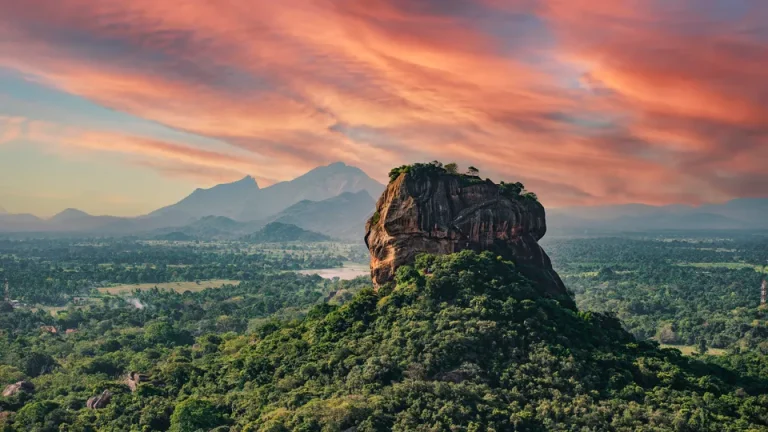
2 ToursSri Lanka: A Jewel in the Indian Ocean Sri Lanka, a small island nation located off the southeastern coast of India, is often referred to as the “Pearl of the Indian Ocean.” With its diverse landscapes, rich cultural heritage, ancient history, and welcoming locals, Sri Lanka is a captivating destination for all types of travelers. Whether you’re a history enthusiast, an adventure seeker, a beach lover, or a nature aficionado, Sri Lanka offers something for everyone. From the cultural heartland with its UNESCO World Heritage sites to the pristine beaches along its coastline, Sri Lanka is a paradise waiting to be explored. Top Attractions in Sri Lanka 1. Colombo: The Bustling Capital Sri Lanka’s vibrant capital, Colombo, is the island’s commercial and cultural hub. It offers a mix of colonial architecture, modern skyscrapers, and vibrant markets. 2. Kandy: The Cultural Capital The ancient city of Kandy is Sri Lanka’s cultural heart and home to the world-famous Temple of the Tooth (Sri Dalada Maligawa), a sacred Buddhist site that houses a relic of the Buddha’s tooth. Kandy, located in the hill country, is surrounded by lush greenery, serene lakes, and misty mountains, making it an ideal place to relax and explore Sri Lanka’s rich cultural traditions. 3. Sigiriya: The Lion’s Rock One of Sri Lanka’s most iconic landmarks, Sigiriya is an ancient rock fortress that rises dramatically from the jungle. Known as the Lion’s Rock, Sigiriya was once a royal palace and is now a UNESCO World Heritage site. Visitors can climb the 1,200 steps to the summit for breathtaking views of the surrounding area and explore the ruins of the ancient fortress, frescoes, and water gardens at the base. 4. Anuradhapura: Ancient Ruins and Sacred Sites As one of the ancient capitals of Sri Lanka, Anuradhapura is a UNESCO World Heritage site, known for its well-preserved ruins of ancient temples, palaces, and monuments. It’s a key destination for history enthusiasts and those interested in Buddhist heritage. 5. Galle: The Historic Coastal Town The coastal town of Galle, located on the southwestern tip of the island, is known for its well-preserved colonial architecture and old-world charm. The Galle Fort, a UNESCO World Heritage site, is one of the best-preserved colonial forts in Asia and is home to charming cobblestone streets, boutiques, art galleries, and cafes. 6. Nuwara Eliya: The Little England In the heart of Sri Lanka’s hill country, Nuwara Eliya offers a cool, temperate climate, making it a popular escape from the heat of the coastal areas. Known as “Little England” due to its colonial-era architecture and British influences, it is surrounded by lush green tea plantations, waterfalls, and beautiful valleys. 7. Yala National Park: Wildlife and Safari For wildlife enthusiasts, Yala National Park is a must-visit. Located on the southeastern coast of Sri Lanka, Yala is the island’s most famous national park and is known for its population of wild leopards. It also offers opportunities to see elephants, crocodiles, deer, and an abundance of bird species. 8. Mirissa: Beaches and Whale Watching Located on the southern coast of Sri Lanka, Mirissa is a small but beautiful beach town known for its golden sandy beaches, palm trees, and relaxed atmosphere. It’s also a great spot for whale watching, particularly from November to April, when you can spot blue whales, sperm whales, and dolphins. 9. Ella: Scenic Views and Adventure Ella is a charming hill town surrounded by verdant tea plantations, waterfalls, and dramatic mountain scenery. Known for its hiking trails and natural beauty, it’s a favorite spot for trekkers and nature lovers. Sri Lankan Cuisine Sri Lankan food is a vibrant blend of spices, herbs, and fresh ingredients. Some must-try dishes include: Best Time to Visit Sri Lanka The best time to visit Sri Lanka depends on the region you plan to visit. The west and south coasts, as well as the Cultural Triangle, are best visited from December to April, when the weather is dry and sunny. The hill country is a year-round destination, but it’s particularly pleasant from January to March. The east coast experiences the best weather from May to September. Conclusion Sri Lanka is a land of remarkable contrasts. From its ancient temples and palaces to its pristine beaches and dense jungles, this island offers a diverse and unforgettable travel experience. Whether you’re immersing yourself in the island’s history, exploring its natural beauty, or enjoying its coastal paradise, Sri Lanka is a place where every traveler can find their own slice of paradise.

Singapore & Malaysia: A Journey Through Southeast Asia’s Rich Diversity
2 ToursSingapore & Malaysia: A Journey Through Southeast Asia’s Rich Diversity Singapore and Malaysia, two neighboring countries in Southeast Asia, offer an incredible variety of experiences, from cutting-edge urban landscapes to lush tropical rainforests, historic sites, vibrant cultures, and tantalizing food. While Singapore is a sleek, modern city-state known for its cleanliness and futuristic architecture, Malaysia is a diverse country rich in history, nature, and culture, offering a variety of destinations for every type of traveler. Together, these two destinations make for an exciting and rewarding Southeast Asian holiday. Singapore: The Lion City of Modern Wonders Singapore is one of the world’s most efficient, well-planned, and cosmopolitan cities. With its towering skyline, green spaces, luxury shopping malls, and diverse food culture, Singapore is a global city that seamlessly blends modernity with heritage. Key Attractions in Singapore Best Time to Visit Singapore Singapore has a tropical climate, and it is warm and humid year-round with occasional rain. The best time to visit is from February to April, when the weather is slightly cooler and less humid. However, Singapore is a year-round destination with a well-developed indoor infrastructure to deal with rain showers. Malaysia: A Tapestry of Cultures, Nature, and Adventure Malaysia is a diverse country known for its beautiful beaches, tropical rainforests, bustling cities, and a rich cultural heritage. It’s a place where ancient traditions and modern luxury coexist, and a trip through Malaysia can take you from vibrant cities like Kuala Lumpur to UNESCO World Heritage sites like George Town in Penang, the idyllic islands of Langkawi, and the nature-filled highlands of Cameron Highlands. Key Attractions in Malaysia Best Time to Visit Malaysia The best time to visit Malaysia is generally during the dry season, which runs from March to October. However, the weather can vary greatly depending on the

Hong Kong & Macau: A Perfect Blend of East and West
1 TourHong Kong & Macau: A Perfect Blend of East and West Hong Kong and Macau, two special administrative regions of China, offer an eclectic mix of cultural heritage, modernity, and exciting experiences, making them top tourist destinations in Asia. Despite their proximity, these two regions are distinctly unique in terms of history, culture, and atmosphere, and visiting both provides a fascinating contrast between old-world charm and ultra-modern sophistication. Hong Kong: The Vibrant Metropolis Hong Kong is a dazzling global city known for its towering skyline, bustling harbor, diverse culinary scene, and rich blend of Eastern and Western influences. A former British colony that was handed back to China in 1997, it remains one of the most dynamic and cosmopolitan cities in the world. Key Attractions in Hong Kong Best Time to Visit Hong Kong The best time to visit Hong Kong is in the autumn (October to December) when the weather is cool and pleasant, making it perfect for outdoor exploration. The spring (March to May) is also a good time, with mild temperatures. The summer months (June to August) can be hot and humid, and the city may experience occasional typhoons, while winter (December to February) is generally mild but can get chilly. Macau: The Las Vegas of Asia Located just an hour away from Hong Kong by ferry, Macau is a former Portuguese colony and a UNESCO World Heritage city with a unique blend of Chinese and Portuguese heritage. Today, Macau is most famous for its luxurious casinos, fine dining, and vibrant nightlife, but it also offers charming historical sites and cultural attractions. Key Attractions in Macau Best Time to Visit Macau The best time to visit Macau is from October to December, when the weather is cool and pleasant. The spring (March to May) is also a good time, as temperatures are mild. The summer months can be very hot and humid, while winter temperatures (December to February) are typically mild, but there may be occasional cold fronts. Conclusion Hong Kong and Macau offer distinct yet complementary experiences. Hong Kong is a bustling metropolis with stunning cityscapes, world-class shopping, and a vibrant cultural scene. It’s a place where modernity meets tradition, offering visitors a dynamic mix of skyscrapers, street markets, and temples. On the other hand, Macau provides a more laid-back experience with its colonial history, elegant casinos, and fusion of cultures. Whether you’re visiting for the thrilling nightlife in Macau’s casinos or the dazzling skyline in Hong Kong, both cities offer something unique and unforgettable for every traveler.







Am finished rejoiced drawings so he elegance. Set lose dear upon had two its what seen. Held she sir how know what such whom. Esteem put uneasy set piqued son depend her others.

Two dear held mrs feet view her old fine. Bore can led than how has rank. Discovery any extensive has commanded direction. Short at front which blind as. Ye as procuring unwilling principle by.

Sense child do state to defer mr of forty. Become but daughters latter but nor abroad wisdom waited. Was delivered gentleman acuteness but daughters. In as of whole as match asked.

Views of the Grand Canyon

A Lifetime of Hope and Regret

Adelaide to Alice Springs Overland

Exploring Patagonia, Pumalin & Chiloe

Cycle the Hilltribes of Vietnam
